

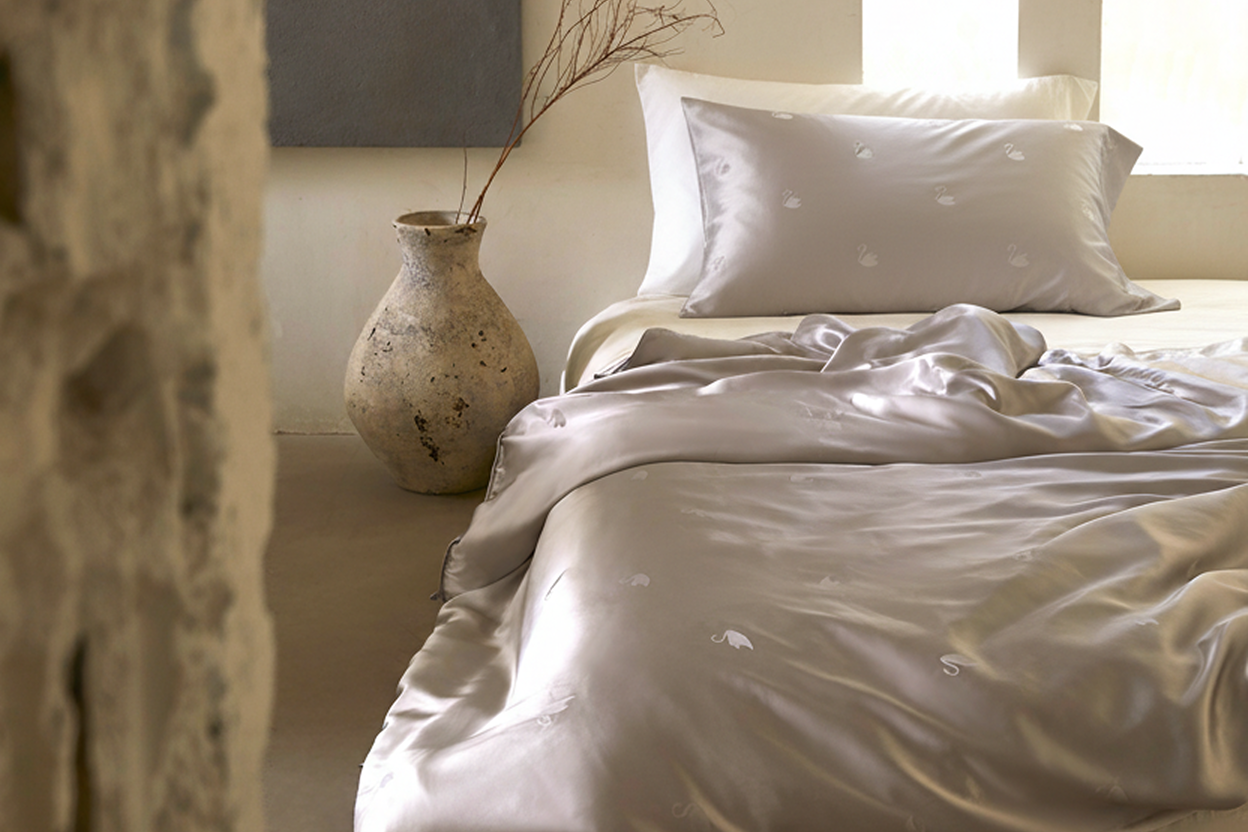
The sneezing starts before you even open your eyes. Your skin feels irritated before you've had your morning coffee. And somehow, despite changing your sheets, dusting your shelves, and buying three different air purifiers, the symptoms keep coming back.
Here is something most people never consider: your pillowcase might be part of the problem.
Spring and autumn are peak allergy seasons — pollen fills the air, mold spores spike with fluctuating temperatures, and dust mite populations thrive in the humidity. But what many allergy sufferers don't realize is that the surface your face rests against for eight hours a night can either make things significantly worse or quietly better.
If you've been searching for relief, a mulberry silk pillowcase might be the upgrade your sleep environment has been missing.
Why Spring and Autumn Are the Hardest Seasons for Allergy Sufferers
Most people associate allergies with springtime — and they're not wrong. Tree and grass pollen peaks between March and May, triggering hay fever in millions. But autumn brings its own wave of irritants: weed pollen (ragweed in particular), mold spores released by damp fallen leaves, and a sudden drop in temperature that sends people indoors — where dust mite populations tend to be highest.
During these transitional months, your bedroom becomes a critical battleground. You spend roughly a third of your life asleep, your face pressed directly against your pillow, breathing in whatever lives in the fabric. Conventional cotton and synthetic pillowcases can harbor dust mites, trap moisture, and accumulate allergens with every wash cycle — making them a quiet but persistent trigger.
What Makes a Mulberry Silk Pillowcase Different?
Not all pillowcases are created equal. Here is why mulberry silk stands apart for anyone with sensitivities.
1. The Sericin Protein: Nature's Built-In Allergen Barrier
Mulberry silk is a protein fiber, and it naturally contains a compound called sericin. This protein creates an inhospitable environment for dust mites and bacteria — two of the most common triggers of allergic reactions during sleep. Unlike treated synthetic fabrics that lose their anti-allergen properties after a few washes, sericin is an inherent part of the silk itself. It doesn't wear off.
2. Moisture Management: The Key to Mite Prevention
Dust mites thrive in humid conditions. They need moisture to survive and breed, and a cotton pillowcase — which absorbs and retains sweat throughout the night — gives them exactly that. A mulberry silk pillowcase works differently: it reduces humidity by up to 50% more than cotton, wicking moisture away while still leaving just enough hydration to keep your skin comfortable. Less moisture means a significantly less hospitable environment for the mites that trigger your symptoms.
3. Natural Self-Cleansing Properties
Because silk naturally regulates moisture levels and resists microbial growth, it doesn't accumulate bacteria and mold the way synthetic and cotton alternatives do. By maintaining a balanced moisture environment, silk actively discourages the conditions in which allergens breed. It also resists static electricity, which means dust particles are far less likely to cling to its surface — another subtle but meaningful benefit for those with airborne sensitivities.
4. No Hidden Chemicals
Many conventional pillowcases are treated with chemical finishes during manufacturing — softeners, brighteners, and wrinkle-resistant coatings that can irritate sensitive skin. A high-quality mulberry silk pillowcase that carries OEKO-TEX® certification has been independently tested and verified to be free from harmful substances. For allergy sufferers, this matters: you're not trading one irritant for another.
Silk vs. Cotton: A Quick Comparison for Allergy Sufferers
Here is how the two fabrics compare across the metrics that matter most when you're managing sensitivities:
Dust Mite Resistance: Cotton — Low — absorbs moisture that mites thrive in. Silk — High sericin protein naturally repels mites.
Moisture Absorption: Cotton — High — retains sweat overnight. Silk — Balanced — wicks moisture without over-drying.
Bacteria & Mold Risk: Cotton — Moderate to high. Silk — Low — self-cleansing properties.
Chemical Treatments: Cotton — Often present. Silk — None (OEKO-TEX® certified options).
Skin Contact: Cotton — Can cause friction and irritation. Silk — Smooth, low-friction surface.
The 22 Momme Standard: Why Quality Matters
Not all silk pillowcases deliver the same benefits. The key metric to look for is momme weight — a measure of silk density. Lower momme counts (below 19) tend to be thinner, less durable, and less effective at maintaining the moisture-regulating properties that make silk beneficial for allergy sufferers.
A 22 momme mulberry silk pillowcase hits the sweet spot: dense enough to be durable and thermoregulating, smooth enough to feel luxurious against sensitive skin, and thick enough to maintain its structural and biological properties wash after wash. It is the standard recommended for anyone investing in silk for health reasons, not just aesthetics.
Long-strand mulberry silk — as opposed to short-strand or wild tussah silk — also matters. Long strands are harvested from cultivated silkworms under consistent conditions, resulting in a more uniform, durable, and effective fiber. Short-strand silk is more prone to breaking down, clumping, and losing its beneficial properties over time.
Tips to Maximise Allergy Relief This Season
Switching to a silk pillowcase is a meaningful step, but a few complementary habits will help you get the most out of it:
- Air your pillowcase regularly in a shaded, ventilated spot — UV rays can degrade silk fibers, so avoid direct sunlight.
- Wash your pillowcase cover frequently with a mild, fragrance-free detergent to keep the surface clean without stressing the fabric.
- Avoid contact with perfumes, face oils, and chemical skincare products where possible, as these can affect silk's natural fiber structure.
- Store spare pillowcases in breathable cotton bags rather than plastic, which can trap moisture.
- Combine your silk pillowcase with a silk or OEKO-TEX® certified duvet cover for a fully allergen-resistant sleep environment.
Looking for a More Elevated Option?
If you want the allergy benefits of a silk pillowcase combined with craftsmanship you can actually feel, Zensage offers a refined take on this sleep essential.
The Zensage Mulberry Silk Pillowcase is crafted from 100% 22 momme long-strand mulberry silk, sourced exclusively from Suzhou, China — a region with centuries of silk heritage and the climate conditions that produce the world's finest silk. The Pearl Jacquard Weave pattern adds a layer of artistry to your sleep space without compromising the fabric's softness or breathability.
Why allergy sufferers choose it:
- Natural sericin protein actively repels dust mites and bacteria — no chemical treatments required
- Reduces humidity by up to 50% more than cotton, cutting off the moisture supply that mites depend on
- OEKO-TEX® certified — independently verified free from harmful substances, safe for sensitive skin
- Smooth, low-friction surface that's gentle on irritated or reactive skin
- Zipper closure keeps the pillow insert fully sealed and protected
- Long-lasting silk that maintains its hypoallergenic properties year after year with proper care
Spring and autumn are the seasons when your sleep environment matters most. You shouldn't have to choose between comfort and relief.


Leave a comment
This site is protected by hCaptcha and the hCaptcha Privacy Policy and Terms of Service apply.