

When it comes to hair care, most people think about shampoo, conditioner, and styling products first. But one everyday accessory can have a surprisingly big impact on your hair’s health: your hair tie.
If you wear your hair up often, the type of tie you use can affect everything from breakage and frizz to scalp comfort and ponytail creases. While regular hair ties are convenient and common, silk hair ties have become a popular choice for those looking for a gentler alternative.
So what exactly is the difference between a silk hair tie and a regular hair tie? And is switching really worth it? Here’s what to know.
What Is a Regular Hair Tie?
A regular hair tie usually refers to a basic elastic band made from synthetic fibers, cotton blends, or stretch elastic materials. These ties are widely used because they are affordable, practical, and easy to find.
Common features of regular hair ties include:
● Firm tension for a tighter hold
● Rougher or more textured surfaces
● Exposed seams or elastic in some designs
● Metal connectors on certain styles
● Strong grip that may pull on the roots
They work well for keeping hair in place, but they are not always designed with hair protection in mind.
What Is a Silk Hair Tie?
A silk hair tie is typically made with a smooth silk exterior wrapped around a soft elastic core. Unlike regular elastics, silk hair ties are designed to reduce friction and be gentler on the hair shaft.
Because silk has a naturally smooth surface, it glides across the hair more easily. This helps reduce pulling, snagging, and rough contact that can lead to breakage over time.
For anyone who wears ponytails, buns, or half-up styles regularly, this can make a noticeable difference in everyday hair care.
Silk Hair Tie vs Regular Hair Tie: Key Differences
Less Friction on the Hair
One of the biggest advantages of a silk hair tie is its smooth surface. Regular hair ties can rub against the hair cuticle, especially when tied tightly or removed quickly. Over time, that friction may contribute to frizz and surface damage.
Silk hair ties create less resistance against the strands, helping hair stay smoother and more protected.
Reduced Breakage and Snagging
If you have ever taken out a regular hair tie and noticed strands caught in it, you are not alone. Standard elastics can tug on delicate hair, especially if it is dry, fine, damaged, or color-treated.
Silk hair ties are generally gentler to remove and less likely to pull at the hair, which makes them a better option for minimizing breakage.
Softer Hold with Fewer Creases
Regular hair ties often leave visible dents in the hair after only a short time. That is because they tend to grip tightly and compress the hair in one place.
Silk hair ties usually provide a softer hold, which can help reduce harsh ponytail creases while still keeping styles in place.
More Comfortable for Daily Wear
Some regular hair ties can feel tight or uncomfortable after several hours, especially in high ponytails or secure buns. This tension may lead to scalp discomfort or even headaches.
Silk hair ties are often softer and more flexible, making them more comfortable for all-day wear.
Better for Fragile Hair Types
Hair that is fine, damaged, bleached, or color-treated is especially vulnerable to stress from rough accessories. Because silk creates less friction and pulling, it is often a better choice for protecting fragile strands.
Are Regular Hair Ties Bad for Your Hair?
Not always. Regular hair ties are useful, affordable, and sometimes better for situations where you need a stronger hold, such as workouts or quick updos.
The issue is usually repeated use over time. Wearing tight, rough elastics every day can gradually contribute to breakage, frizz, and stress around the hairline.
That is why many people choose silk hair ties for daily wear and save regular elastics for more occasional use.
Who Should Use a Silk Hair Tie?
A silk hair tie can benefit almost anyone, but it is especially helpful for people with:
● Fine hair
● Frizzy hair
● Dry hair
● Damaged hair
● Color-treated hair
● Easily tangled hair
● Sensitive scalp
If you regularly wear your hair up and want a gentler way to style it, switching to silk can be a simple but worthwhile upgrade.
Is a Silk Hair Tie Worth It?
For many people, yes. A silk hair tie may seem like a small change, but it can support healthier-looking hair by reducing everyday friction and tension.
It is not just about appearance or luxury. It is about choosing an accessory that works more gently with your hair day after day.
Looking for a More Elevated Option?
If you want the benefits of a silk hair tie but also care about comfort, shape, and thoughtful design, Zensage offers a more refined take on this everyday essential.
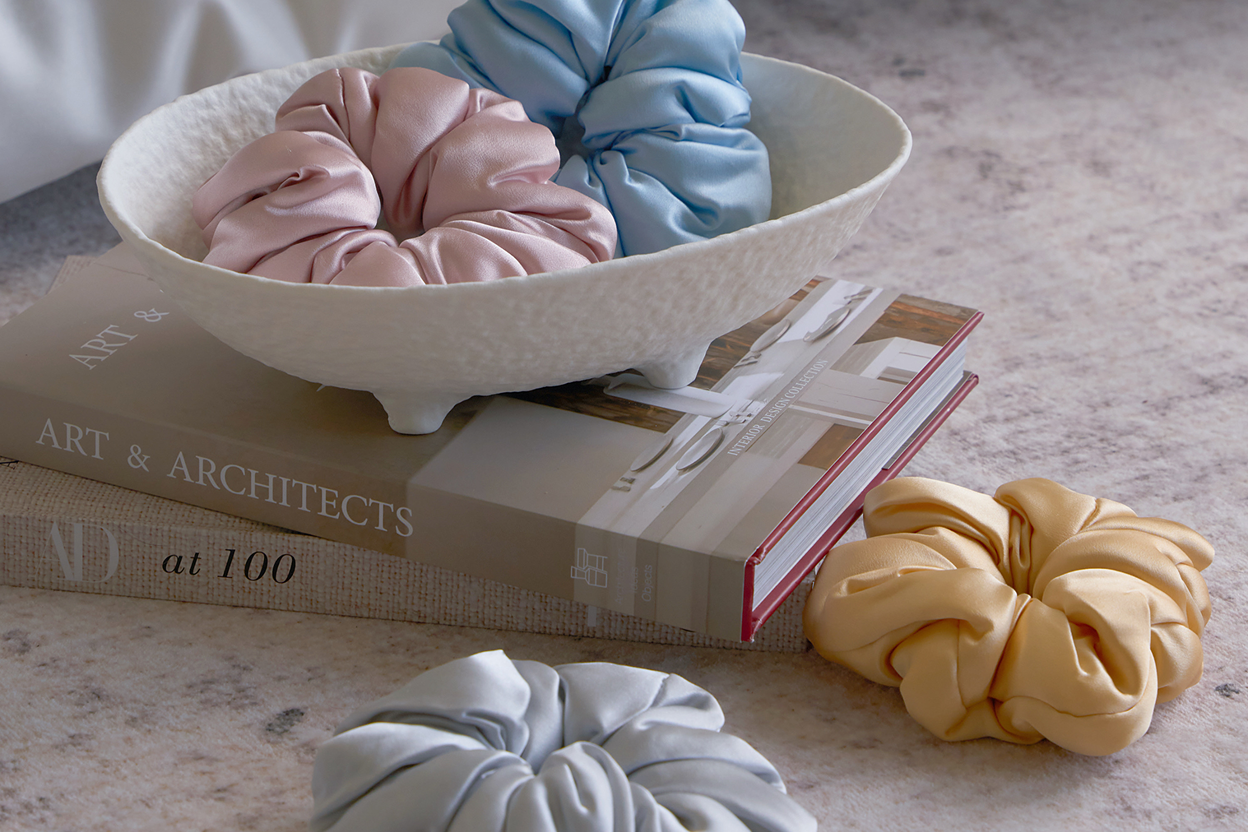
The Silk Puffed “Donut” Hair Tie is crafted with 100% pure mulberry silk filling and designed with a plush core that creates a full, bouncy silhouette. Its smooth silk surface helps minimize friction, protecting strands from breakage and frizz while offering a softer, more hair-friendly hold than traditional elastics.
With soft elastic and no metal parts, it is comfortable enough for all-day wear and versatile enough for ponytails, buns, or half-up styles. It is especially well-suited for fine, damaged, or color-treated hair, where a gentler touch matters most.
Additional features include:
● 100% Pure Mulberry Silk Filling
● Unbelievably Soft & Comfortable
● Thermoregulating All Year Round
● Long-lasting & Skin-friendly
Explore Zensage if you are ready to upgrade your daily hair routine with an accessory that brings together smoother styling, everyday comfort, and a more elevated approach to hair care.


Leave a comment
This site is protected by hCaptcha and the hCaptcha Privacy Policy and Terms of Service apply.